

Written by Tou Calo Nutrition Team · Vulcan Labs · Calorie data from USDA FoodData Central. Updated June 2026.
Searching for zero calorie foods usually leads to one of the most persistent myths in nutrition — the idea that some foods burn more calories to digest than they actually contain. The honest, evidence-based answer: true zero or negative calorie foods do not exist. What does exist is a category of foods so low in calories that they have a negligible impact on your daily intake — and these foods are genuinely one of the most useful tools for weight loss when used correctly. This guide explains the real science, debunks the negative-calorie myth, and gives you 30 of the best near-zero calorie foods to build meals around.
The short answer: “Zero calorie” is a legal labelling term in the US meaning fewer than 5 calories per serving — not a literal claim that a food provides no energy. No food has ever been shown to require more energy to digest than it contains. Use our free BMR calculator to understand how these foods fit into your real daily calorie budget.

In this guide
- Do zero calorie foods actually exist? The science
- What “zero calorie” legally means on a food label
- 30 best near-zero calorie foods — full list
- How to use zero calorie foods for weight loss correctly
- The risks of relying only on zero calorie foods
- FAQ
Do zero calorie foods actually exist? The science explained
The concept behind zero calorie foods — and the related idea of “negative calorie” foods — rests on a real but widely misunderstood phenomenon called the thermic effect of food (TEF): the energy your body uses to digest, absorb and process what you eat.
The myth claims that some foods, like celery, require more energy to digest than they provide — creating a calorie deficit simply by eating them. The math does not support this:
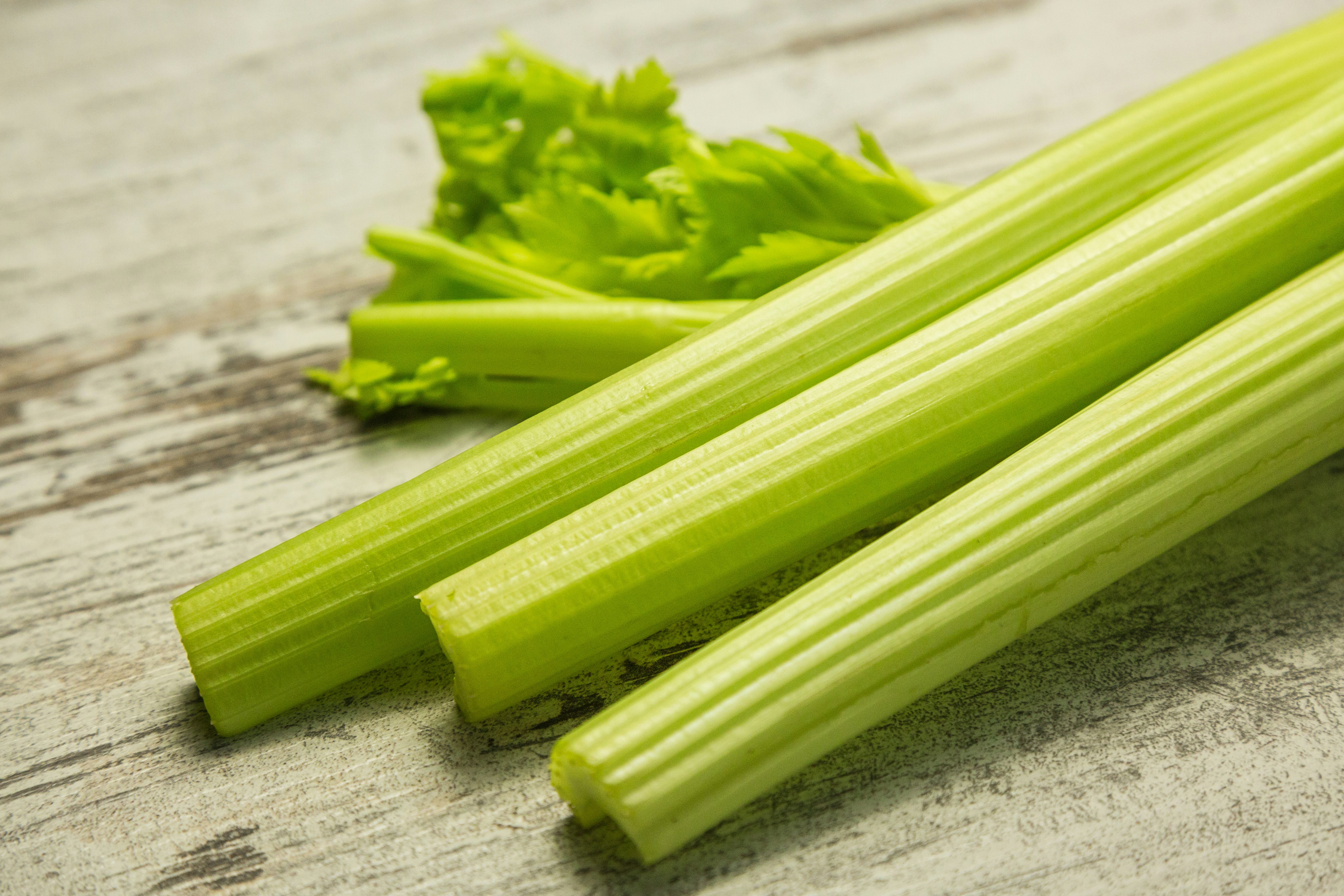
- A stalk of celery contains approximately 6–10 calories
- The thermic effect of food typically accounts for 5–15% of a food’s total calories for vegetables — and up to 20–30% for protein, the highest of any macronutrient
- Digesting that celery costs roughly 1–2 calories — leaving a net gain of 4–8 calories, not a deficit
For any food to be genuinely “negative calorie,” its thermic effect would need to exceed 100% of its caloric content — a level no food has ever been shown to reach. The scientific consensus is clear: there is no peer-reviewed evidence supporting the existence of any food that is calorically negative.
| Food | Calories | Est. digestion cost | Net calories |
|---|---|---|---|
| Celery (1 stalk) | 6 kcal | ~1 kcal | +5 kcal |
| Cucumber (½ cup) | 8 kcal | ~1 kcal | +7 kcal |
| Iceberg lettuce (1 cup) | 10 kcal | ~1–2 kcal | +8 kcal |
The result is always positive, never negative — but the net calorie impact is so small it has almost no meaningful effect on a daily calorie budget. This is why these foods are still genuinely valuable for weight loss, even though the “negative calorie” framing is technically false.
What “zero calorie” actually means on a food label
In the United States, “zero calorie” or “calorie-free” is a legal labelling term defined by the FDA — not a literal claim. A product can be labelled zero calorie if a single serving contains fewer than 5 calories, the threshold considered too small to meaningfully affect daily intake. “Low calorie” is a separate legal category applying to foods with 40 calories or fewer per serving.
| “Zero calorie” (legal term) | Fewer than 5 kcal per serving |
| “Low calorie” (legal term) | 40 kcal or fewer per serving |
| “Negative calorie” (myth) | Not a real category — no scientific basis |
This explains why diet sodas, black coffee and plain seltzer can legally be labelled zero calorie — they contain real but negligible energy, almost always under the 5-calorie reporting threshold.
Know your real daily calorie budget
Zero calorie foods only help if you know your overall target.
Calculate My BMR →30 best near-zero calorie foods — the full list (2026)
Calorie data from USDA FoodData Central. None of these foods are literally zero calories — all fall under the FDA’s “very low calorie” threshold and are excellent for volume eating.
Vegetables (under 15 kcal per typical serving)
| Food | Serving | Calories |
|---|---|---|
| Celery | 1 stalk | 6 |
| Cucumber | ½ cup sliced | 8 |
| Iceberg lettuce | 1 cup shredded | 10 |
| Zucchini | ½ cup | 10 |
| Radishes | ½ cup sliced | 10 |
| Spinach (raw) | 1 cup | 7 |
| Romaine lettuce | 1 cup shredded | 8 |
| Bok choy (raw) | 1 cup shredded | 9 |
| Mushrooms (white, raw) | ½ cup sliced | 8 |
| Bell peppers | ½ cup chopped | 15 |
Fruits (under 35 kcal per typical serving)
| Food | Serving | Calories |
|---|---|---|
| Watermelon | 1 cup cubed | 30 |
| Strawberries | 1 cup sliced | 33 |
| Grapefruit | ½ medium | 37 |
| Cantaloupe | 1 cup cubed | 34 |
Drinks (0–5 kcal — legally “zero calorie”)
| Drink | Serving | Calories |
|---|---|---|
| Water (still or sparkling) | Any amount | 0 |
| Black coffee | 1 cup | 2 |
| Unsweetened tea (any type) | 1 cup | 0–2 |
| Diet soda | 1 can | 0–1 |
Herbs and spices (under 1 kcal per serving)
Fresh herbs like parsley, basil, cilantro and mint, plus spices like cinnamon, cumin and chilli flakes, all contain under 1 calorie per typical seasoning amount. They add flavour to zero calorie foods meals without adding meaningful calories — though some, like cayenne, have a mild, temporary thermogenic effect of roughly 50–100 kcal/day with high-dose intake, not the dramatic effect often claimed online.
How to use zero calorie foods for weight loss correctly
Even though the negative-calorie myth is false, near-zero calorie foods are genuinely one of the most effective tools for sustainable weight loss — through a strategy called volume eating.
Volume eating works by building meals around foods with low energy density (few calories per gram) and high water and fibre content. This allows you to eat a large physical volume of food — filling your stomach and triggering satiety signals — while consuming relatively few calories overall.
- Bulk up meals without adding many calories: Adding 2 cups of spinach to a pasta dish adds bulk, fibre and nutrients for under 15 calories — while making the meal feel significantly larger and more satisfying.
- Replace calorie-dense foods with near-zero alternatives: Swapping pita chips for cucumber slices with the same dip saves 100+ calories per serving while keeping the snacking ritual intact.
- Start meals with a salad or vegetable soup: Eating a low-calorie, high-volume starter before the main course reduces total meal calorie intake in multiple controlled studies — the stomach registers fullness before the higher-calorie portion of the meal arrives.
- Use zero calorie foods to manage hunger between meals: Sliced vegetables or unsweetened tea can bridge the gap between meals without derailing a calorie deficit the way a snack bar or chips would.
The key insight: Zero calorie foods do not create a deficit by themselves — they support a deficit you have already set by making it easier to feel full while eating fewer total calories. Use our calorie deficit calculator to set your real daily target, then build meals using high-volume, low-calorie foods to make that target easier to sustain.
The risks of relying only on zero calorie foods
Despite their benefits, building a diet around mostly zero calorie foods carries real risks. These foods should complement a balanced diet, not replace it.
- Nutrient gaps: A plate of cucumbers and lettuce does not provide the protein, essential fats or complex carbohydrates the body needs to function — these foods are low in calories precisely because they lack these macronutrients.
- Insufficient energy for basic function: Eating too few calories for an extended period — even if those calories come from “healthy” zero calorie foods — can slow metabolism, cause muscle loss and disrupt hormonal balance. Use our BMR calculator to find your absolute calorie floor.
- Unsustainable hunger from low protein and fat: Without adequate protein and fat, satiety signals weaken over time, often leading to overeating of calorie-dense foods later — undermining the entire point of using zero calorie foods for portion control.
The right approach combines zero calorie foods with adequate protein, healthy fats and complex carbohydrates — not as a replacement for them. Track your full diet, not just the low-calorie additions, using our calorie deficit calculator to confirm you are still meeting your nutritional needs.
Zero calorie foods — FAQ
Do zero calorie foods really exist?
Not literally. “Zero calorie” is a legal labelling term meaning a serving contains fewer than 5 calories — not a scientific claim that the food provides no energy. Foods like celery, cucumber and lettuce contain a small number of real calories (typically 1–15 per serving) but are so low that they have a negligible impact on daily intake.
Is celery really a negative calorie food?
No. A stalk of celery contains approximately 6–10 calories. Digesting it costs roughly 1–2 calories through the thermic effect of food — leaving a small net positive, not a deficit. The “negative calorie” claim about celery is one of the most common nutrition myths and is not supported by any scientific evidence.
Can eating zero calorie foods help me lose weight?
Yes — but not by creating a deficit on their own. Near-zero calorie foods support weight loss through volume eating: they let you feel physically full while consuming fewer total calories than calorie-dense alternatives. Use our free BMR calculator to set your overall calorie target, then build meals around high-volume, low-calorie foods to make that target easier to sustain.
Does drinking cold water burn calories?
Yes, but the effect is tiny. Warming a litre of cold water (0°C) to body temperature requires approximately 15.5 calories — less than the energy in half a teaspoon of sugar. You would need to drink over 6 litres of ice-cold water daily to expend the equivalent of one small cookie. It is not a practical or meaningful weight loss strategy.
What is the difference between zero calorie and low calorie?
Both are FDA-defined labelling terms. “Zero calorie” means fewer than 5 calories per serving. “Low calorie” means 40 calories or fewer per serving. Neither term implies the food has no nutritional or energy value — they simply indicate the calorie content is small enough to round down or be considered negligible for daily intake purposes.
Disclaimer: This article provides general nutritional information based on USDA FoodData Central and peer-reviewed research. It is not personalised medical advice. Consult a registered dietitian for individual dietary guidance.
Written by Tou Calo Nutrition Team — Vulcan Labs
The team behind Tou Calo AI Calorie Counter. We write evidence-based nutrition guides that separate science from myth.
Related tools:
🔬 BMR Calculator — your resting calorie baseline
⚡ TDEE Calculator — total daily calorie burn
🎯 Calorie Deficit Calculator — your exact fat loss target
Track your full diet — not just the zero calorie additions
Snap your meal.
Calories logged in 3 seconds.
Zero calorie foods are a tool, not a strategy on their own. Tou Calo’s AI logs your full meals from a photo in 3 seconds — so you can see exactly how volume eating fits into your real daily calorie target.